How to Choose the Best LED Corn Light Bulb for Your Needs?
The choice of an LED Corn Light Bulb is pivotal for enhancing lighting efficiency. Reports indicate that LED bulbs can use up to 75% less energy than traditional incandescent bulbs. This significant energy reduction translates to lower electricity bills and a smaller carbon footprint, which is crucial in today's eco-conscious environment.
When selecting an LED Corn Light Bulb, consider the lumens output, the color temperature, and the bulb's compatibility with existing fixtures. Many consumers overlook these details, leading to suboptimal lighting conditions. In fact, a recent survey revealed that 45% of users regret their initial bulb choice due to inadequate brightness or color issues.
Moreover, understanding the lifespan of LED bulbs—up to 25,000 hours—can have a lasting impact on maintenance costs. Nevertheless, improper selection may lead to premature failures and waste. It's essential to match your specific needs with the right product. Investing time in this decision can enhance your lighting experience and save resources in the long run.
Understanding LED Corn Light Bulbs and Their Applications
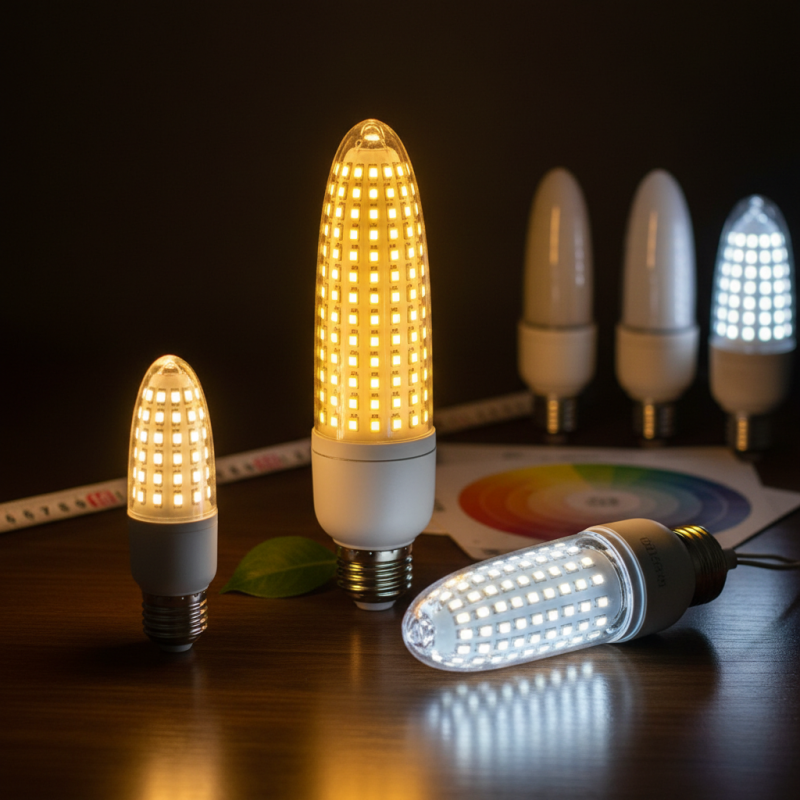
LED corn light bulbs have become increasingly popular due to their versatility and energy efficiency. These bulbs resemble traditional corn cobs, housing multiple LED chips for maximum light output. Many industries use them for outdoor lighting, streetlamps, and even warehouse illumination. According to a report from the U.S. Department of Energy, LED technology can reduce energy consumption by up to 75% compared to traditional incandescent bulbs. This significant reduction can lead to substantial cost savings over time.
Selecting the right LED corn light bulb for specific applications requires some understanding. For example, warehouse settings typically require high lumen outputs for visibility. A bulb with a lighting range of 18,000 to 24,000 lumens would be ideal for these needs. It’s essential to consider the color temperature as well, as warmer temperatures can create a more inviting ambiance, while cooler temperatures enhance visibility. Moreover, while LEDs last longer, varying qualities exist in the market. Some may not meet the expected lifespan of 25,000 hours, leading to increased replacement costs.
Reflecting on these points is crucial. Even with the energy benefits, users should be aware of potential issues with light quality or fitting compatibility. Research has shown that poorly designed LED bulbs can flicker, causing eye strain. Choosing wisely ensures optimal performance.
How to Choose the Best LED Corn Light Bulb for Your Needs?
| Feature | Description | Typical Applications |
| Wattage | Common wattages range from 10W to 100W, with higher wattages producing brighter light. | Industrial and commercial settings, outdoor lighting, and high ceilings. |
| Lumen Output | Lumen output can range from 1000 to 13000 lumens depending on the bulb. | Commercial spaces, street lights, warehouses. |
| Color Temperature | Available in different temperatures like 3000K (warm white) to 6000K (daylight). | Retail, factories, and general outdoor lighting. |
| Beam Angle | Ranges from 120° to 180° for wider illumination. | Parking lots, large indoor spaces. |
| Lifespan | Typically lasts 25,000 to 50,000 hours. | Long-term installations, hard-to-reach locations. |
| Compatibility | Check for compatibility with existing fixtures and ballasts. | Retrofits in older fixtures. |
Key Factors to Consider When Choosing LED Corn Light Bulbs
Choosing the right LED corn light bulb involves multiple factors that can impact performance and efficiency. One important consideration is lumen output. Different applications require different brightness levels. For instance, a commercial space may need over 10,000 lumens for effective illumination, while a residential area could suffice with around 800 lumens. According to a 2022 report by the Department of Energy, higher lumen output enhances visibility and reduces eye strain in work environments.
Color temperature is another critical factor. This metric affects the ambiance of a space. Most LED corn light bulbs range from 2700K to 6500K. Warmer tones, around 3000K, create a cozy feel, while cooler tones, roughly 5000K, promote focus. A survey from the Lighting Research Center indicates that 70% of people prefer warmer lighting in residential settings. Thus, understanding the desired atmosphere can guide your choice.
Wattage efficiency also warrants consideration. Many modern LED corn bulbs use less than 25 watts for similar brightness to traditional 100-watt bulbs. This can lead to significant energy savings over time. Nevertheless, distinguishing between high-quality and lower-grade options can be challenging. Some inexpensive models may not meet longevity expectations. Look for certifications such as Energy Star when selecting your bulbs. Overall, examining these factors can lead to better lighting choices for diverse needs.
Comparing Brightness and Color Temperature in LED Corn Lights
When selecting LED corn light bulbs, brightness and color temperature are critical factors. Brightness, measured in lumens, directly impacts how well a space is illuminated. Industry research indicates that a typical LED corn bulb can produce anywhere from 1,200 to over 20,000 lumens. A higher lumen output is suitable for larger spaces or industrial applications, while lower outputs are ideal for residential use. Understanding the specific lumens per watt ratio can also help gauge efficiency; many bulbs achieve more than 100 lumens per watt, resulting in substantial energy savings over time.
Color temperature, measured in Kelvins (K), affects the mood and functionality of a space. A warmer light (around 2700K to 3000K) creates a cozy atmosphere, perfect for homes or restaurants. In contrast, cooler lights (5000K to 6500K) provide a daylight-like effect, enhancing focus in workspaces. It’s essential to consider the intended use of the space when choosing the color temperature, as it can impact productivity and comfort levels. Research suggests that cooler temperatures can improve alertness, while warmer colors promote relaxation.
Choosing the right combination of brightness and color temperature requires thoughtful consideration. A mismatch can lead to dissatisfaction, wasted energy, and decreased efficiency. For instance, a warehouse using overly warm lights may struggle with visibility, impacting safety and productivity. Understanding these nuances will guide you in making informed decisions for your lighting needs.
Energy Efficiency and Longevity of LED Corn Light Bulbs
When selecting LED corn light bulbs, energy efficiency plays a crucial role. These bulbs convert about 95% of energy into light. Traditional incandescent bulbs often waste energy as heat, with only 10-20% effective light output. According to the U.S. Department of Energy, switching to LED can reduce energy consumption by 25-80%. This significant reduction not only lowers electricity bills but also contributes to less environmental strain.
Longevity is another standout feature of LED corn light bulbs. Typical lifespans range from 25,000 to 50,000 hours. In contrast, incandescent bulbs last only 1,000 hours on average. This longevity can lead to fewer replacements and less waste. Moreover, the LED's durable design makes it resistant to breakage and harsh conditions. A report from the Energy Star program highlights that, even with continuous use, LED bulbs maintain brightness over time, outperforming others by a large margin.
However, it’s important to consider that not all LED corn light bulbs are created equal. Some may not meet energy standards or produce the intended brightness. Users should research product specifications and seek reliable sources for reviews. Energy efficiency and longevity are essential, but it’s crucial to ensure that the selected bulb fits your specific needs to avoid unnecessary waste and costs.
Cost Analysis: Budgeting for LED Corn Light Bulb Choices
When budgeting for LED corn light bulbs, it's essential to analyze both initial and long-term costs. According to a report by the U.S. Department of Energy, LED bulbs can save up to 75% on energy costs compared to traditional incandescent bulbs. However, the upfront cost of LED corn lights may be higher. This means you should consider your long-term savings versus initial expenses carefully.
Tips for selecting the right LED corn light bulb include checking the lumens per watt ratio. Higher lumens per watt indicate better efficiency. Additionally, consider the life expectancy of these bulbs. Many LED corn lights last up to 25,000 hours. While they may seem expensive at first, their longevity can lead to significant savings.
Some users report that they underestimated the brightness needed for their space. Measuring your area and calculating the required lumens before purchase is crucial. Compare products across different platforms to ensure you’re obtaining the best price without sacrificing quality. Misjudgments in brightness can lead to additional costs down the line if replacements are needed sooner than expected.